
Burma: Drug Control Progress and Possibilities
Abstract: Burma is the second largest opium producer in the world, and is quickly becoming a hotbed of methamphetamine production. Opium profits have helped to finance conflict within Burma for both the central government and the insurgent ethnic groups; however, with the 1989 ceasefire agreements with the insurgent ethnic groups the drug control context changed dramatically. In April 2002, the Kokang and Wa ethnic leaders, whose regions account for the vast majority of opium poppy cultivation, committed to making their territory opium-free by 2003 and July 2005 respectively. The combined drug control efforts of national and local leaders have shown promising results, as both UN and US opium surveys have confirmed large declines in poppy cultivation. As Burma continues to reduce opium cultivation, it has struggled in recent years with an increase in the production of amphetamine-type stimulants (ATS). Combating the threats from opium and ATS will require different strategies. Stronger border
- Alternative title
-
Myanmar: Strategien zur Drogenkontrolle
- Location
-
Deutsche Nationalbibliothek Frankfurt am Main
- Extent
-
Online-Ressource
- Language
-
Englisch
- Notes
-
Veröffentlichungsversion
begutachtet
In: Südostasien aktuell : journal of current Southeast Asian affairs ; 25 (2006) 1 ; 7-16
- Event
-
Veröffentlichung
- (where)
-
Mannheim
- (when)
-
2006
- Creator
-
Dawson, Jenna
Barlow, Daniel
- URN
-
urn:nbn:de:0168-ssoar-337764
- Rights
-
Open Access; Open Access; Der Zugriff auf das Objekt ist unbeschränkt möglich.
- Last update
-
15.08.2025, 7:21 AM CEST
Data provider
Deutsche Nationalbibliothek. If you have any questions about the object, please contact the data provider.
Associated
- Dawson, Jenna
- Barlow, Daniel
Time of origin
- 2006
Other Objects (12)
Burma: Drug Control Progress and Possibilities

Behavioral Economics of Education: Progress and Possibilities
Genetically modified food from crops: progress, pawns, and possibilities
Possibilities of Moral Progress in the Face of Evolution
"The possibilities are endless": progress and the taming of contingency
»The possibilities are endless«: progress and the taming of contingency

Possibilities for the automatic control of colour print quality
Burma
Burma
Burma
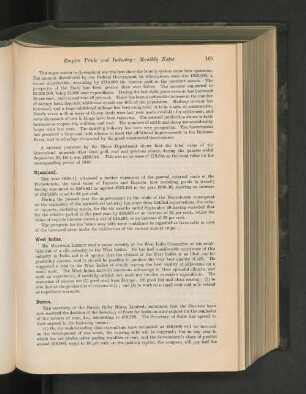
Burma.
Burma
Burma: Drug Control Progress and Possibilities
Behavioral Economics of Education: Progress and Possibilities
Genetically modified food from crops: progress, pawns, and possibilities
Possibilities of Moral Progress in the Face of Evolution
"The possibilities are endless": progress and the taming of contingency
»The possibilities are endless«: progress and the taming of contingency
Possibilities for the automatic control of colour print quality
Burma
Burma
Burma
Burma.
Burma
Burma: Drug Control Progress and Possibilities
Behavioral Economics of Education: Progress and Possibilities
Genetically modified food from crops: progress, pawns, and possibilities
Possibilities of Moral Progress in the Face of Evolution
"The possibilities are endless": progress and the taming of contingency
»The possibilities are endless«: progress and the taming of contingency
Possibilities for the automatic control of colour print quality
Burma
Burma
Burma
Burma.