
A cultural history of elections in the USA and Germany. Meanings and functions of elections in the 19th century
Abstract: Why did elections become so important in the 19th century, not only in terms of determining who would enter office, but also in terms of including more and more people, and therefore their increasing significance in people’s lives? What functions did governments ascribe to elections, and what motives did those in power have when they introduced elections? What importance did people give to the vote?By help of a cultural approach, Hedwig Richter argues that the extension of the franchise can be understood better when elections are seen not only as an instrument of power for the masses but also as an instrument of discipline wielded by those in power. Elections as a performative act can be read, that is, not only as a demonstration of power by the people, but also as a subjugation of the people to authority, a subjugation which was regarded as ›modern‹ and appropriate to the time. http://www.inter-disciplines.org/index.php/indi/article/view/943
- Standort
-
Deutsche Nationalbibliothek Frankfurt am Main
- Umfang
-
Online-Ressource
- Sprache
-
Englisch
- Erschienen in
-
A cultural history of elections in the USA and Germany. Meanings and functions of elections in the 19th century ; volume:2 ; number:1 ; day:15 ; month:06 ; year:2011
InterDisciplines ; 2, Heft 1 (15.06.2011)
- Urheber
-
Richter, Hedwig
- DOI
-
10.4119/indi-943
- URN
-
urn:nbn:de:101:1-2018121115092049325440
- Rechteinformation
-
Open Access unbekannt; Open Access; Der Zugriff auf das Objekt ist unbeschränkt möglich.
- Letzte Aktualisierung
-
14.08.2025, 10:59 MESZ
Datenpartner
Deutsche Nationalbibliothek. Bei Fragen zum Objekt wenden Sie sich bitte an den Datenpartner.
Beteiligte
- Richter, Hedwig
Ähnliche Objekte (12)
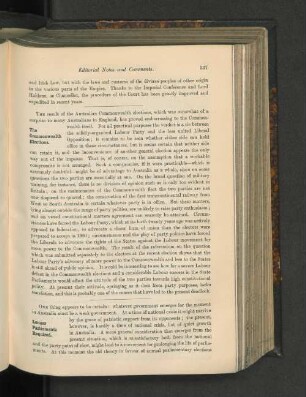
The Commonwealth Elections.
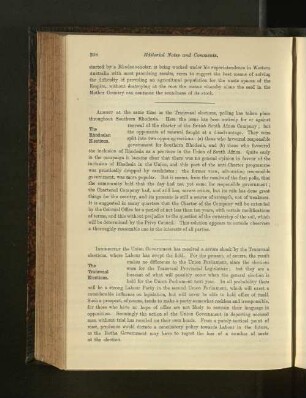
The Rhodesian Elections.
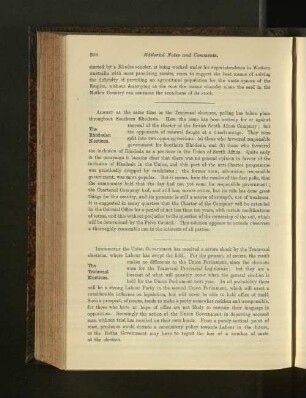
The Rhodesian Elections.
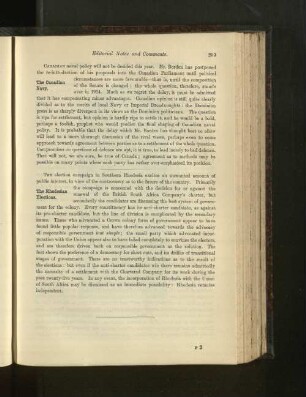
The Rhodesian Elections.
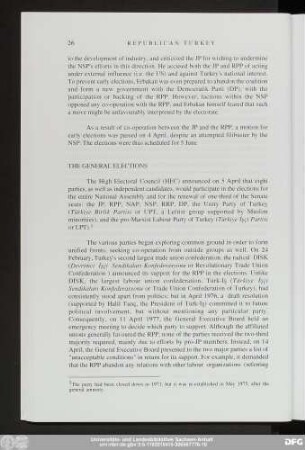
The General Elections

Lobbying and Elections
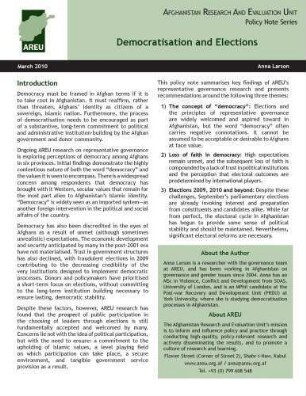
Democratisation and elections
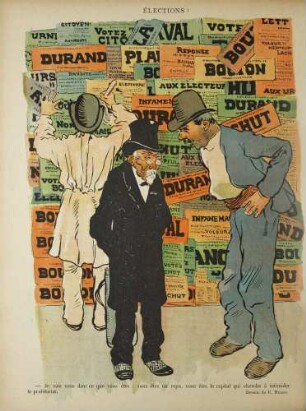
Élections!

Elections
Elections
Elections and the Timing of Devaluations
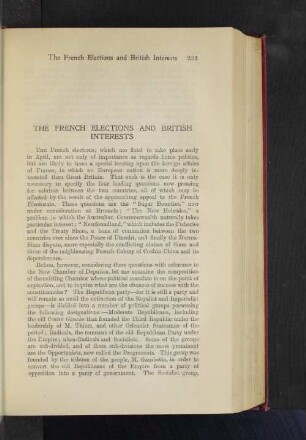
The French Elections and British Interests.
The Commonwealth Elections.
The Rhodesian Elections.
The Rhodesian Elections.
The Rhodesian Elections.
The General Elections
Lobbying and Elections
Democratisation and elections
Élections!
Elections
Elections
Elections and the Timing of Devaluations
The French Elections and British Interests.
The Commonwealth Elections.
The Rhodesian Elections.
The Rhodesian Elections.
The Rhodesian Elections.
The General Elections
Lobbying and Elections
Democratisation and elections
Élections!
Elections
Elections
Elections and the Timing of Devaluations