
Husband is a priority: gender roles, patriarchy and the naming of female childrenin Nigeria
Abstract: In onomastic practices of some traditional societies in Nigeria, stereotyped gender roles and patriarchy are deliberately perpetuated in the naming of female children, thus using naming traditions as weapons against girl-children. In these cultures, names are bestowed on female children to align with existing sexist norms and gender ideology in which the namer is dominant and the named is subservient. This article explores, from an ethnographic qualitative approach, the politics of this naming regime, and highlights the centrality of naming in the social construction of gender in two cultural traditions in Nigeria: Bette (South-east), and Owe (North-central), which entrench inequality and illuminate power and dominance against the girl-child. It considers the implications of this regime of names on the girl-child from the perspective of “doing gender” (West and Zimmermann in Gender Soc 1:125–151, 1987), which simultaneously recreates and reinforces the cultural meaning of gender and the systems of power and oppression on which it rests. I demonstrate how personal names are overtly used to enact conformism and/or resistance to patriarchy and the results, based on linguistic evidence, reveal that participants who conform to traditional gender norms or ideologies tended to reify inequality and oppressive gender regime through the choice of their names. Participants who resisted normative conception of gender opened up space for agency and autonomy, and thus expanded the frontiers of their gender expression
- Location
-
Deutsche Nationalbibliothek Frankfurt am Main
- Extent
-
Online-Ressource
- Language
-
Englisch
- Notes
-
ISSN: 1936-4717
- DOI
-
10.1007/s12147-022-09303-z
- URN
-
urn:nbn:de:bsz:25-freidok-2451516
- Rights
-
Open Access; Der Zugriff auf das Objekt ist unbeschränkt möglich.
- Last update
-
14.08.2025, 10:56 AM CEST
Data provider
Deutsche Nationalbibliothek. If you have any questions about the object, please contact the data provider.
Associated
- Mensah, Eyo
- Universität
Time of origin
- 2024
Other Objects (12)

Husband is a Priority: Gender Roles, Patriarchy and the Naming of Female Children in Nigeria
The Indian Custom of a Husband or Wife not Naming his Wife or her Husband

"We Cooperate with Husbands!" : Patriarchy and Bargaining among Farm Women in Taiwan
Theorising Patriarchy
Unlearn Patriarchy
Unlearn patriarchy
Unlearn Patriarchy
Virginity and patriarchy

SMASH THE PATRIARCHY
Unlearn Patriarchy 2
‘The Inevitable Patriarchy’
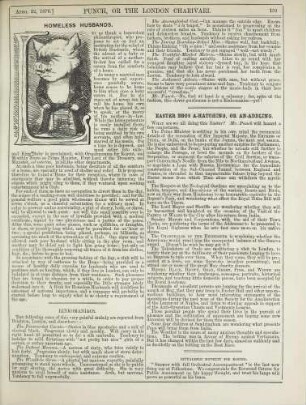
Homeless husbands
Husband is a Priority: Gender Roles, Patriarchy and the Naming of Female Children in Nigeria
The Indian Custom of a Husband or Wife not Naming his Wife or her Husband
"We Cooperate with Husbands!" : Patriarchy and Bargaining among Farm Women in Taiwan
Theorising Patriarchy
Unlearn Patriarchy
Unlearn patriarchy
Unlearn Patriarchy
Virginity and patriarchy
SMASH THE PATRIARCHY
Unlearn Patriarchy 2
‘The Inevitable Patriarchy’
Homeless husbands
Husband is a Priority: Gender Roles, Patriarchy and the Naming of Female Children in Nigeria
The Indian Custom of a Husband or Wife not Naming his Wife or her Husband
"We Cooperate with Husbands!" : Patriarchy and Bargaining among Farm Women in Taiwan
Theorising Patriarchy
Unlearn Patriarchy
Unlearn patriarchy
Unlearn Patriarchy
Virginity and patriarchy
SMASH THE PATRIARCHY
Unlearn Patriarchy 2
‘The Inevitable Patriarchy’