
The socialist artistic identity and the bilateral agreements in the Balkans (1945-1949)
Abstract: After the Second World War, a new regional identity was configured through collaboration agreements not only between the USSR and each of the Eastern Bloc countries but, at the same time, through less hierarchical relationships between the newly installed communist regimes. These relationships also entailed cultural conventions, which stipulated joint events and exhibitions or documentary trips for artists. This article focuses on the artistic exchanges between Romania, Bulgaria and Yugoslavia in the early years of the postwar era giving special attention to the art institutions that were assigned to operate them. Such international relationships are revealing for the local negotiations concerning the relation between artists and the state, but also for the political prospects in the Balkans. Moreover, the early artistic exchanges set out a series of practices that were maintained throughout the entire socialist period and therefore contributed to charting a common artistic identit
- Location
-
Deutsche Nationalbibliothek Frankfurt am Main
- Extent
-
Online-Ressource
- Language
-
Englisch
- Notes
-
Veröffentlichungsversion
begutachtet (peer reviewed)
In: Studia Politica: Romanian Political Science Review ; 17 (2017) 3 ; 249-267
- Classification
-
Künste, Bildende Kunst allgemein
- Event
-
Veröffentlichung
- (where)
-
Mannheim
- (when)
-
2017
- Creator
-
Cărăbaș, Irina
- URN
-
urn:nbn:de:0168-ssoar-55918-1
- Rights
-
Open Access; Open Access; Der Zugriff auf das Objekt ist unbeschränkt möglich.
- Last update
-
15.08.2025, 7:32 AM CEST
Data provider
Deutsche Nationalbibliothek. If you have any questions about the object, please contact the data provider.
Associated
- Cărăbaș, Irina
Time of origin
- 2017
Other Objects (12)

The socialist artistic identity and the bilateral agreements in the Balkans (1945-1949)

Gendered artistic positions and social voices : politics, cinema, and the visual arts in state-socialist and post-socialist Hungary
the freedom socialist : voice of the Freedom Socialist Party
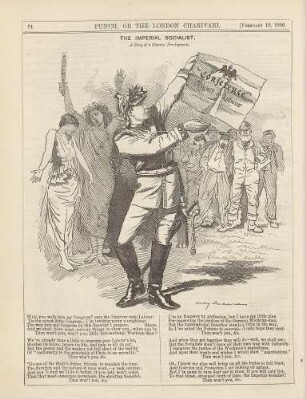
The imperial socialist
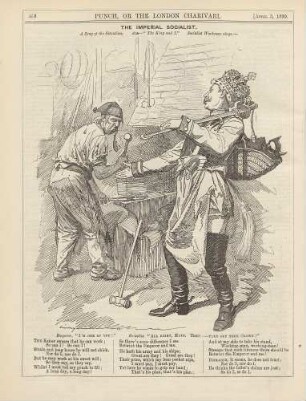
The imperial socialist

The Socialist International
The Socialist Review : SR : monthly magazine of the Socialist Workers Party
The Congress Socialist Party
![The Seymour Co. [Artistic Papers]](https://iiif.deutsche-digitale-bibliothek.de/image/2/00889292-0656-42f2-8fc3-ef9ddf8c4e89/full/!306,450/0/default.jpg)
The Seymour Co. [Artistic Papers]
![The Seymour Company [Artistic Papers]](https://iiif.deutsche-digitale-bibliothek.de/image/2/8ff7d690-99dd-4cec-a32d-aceecf16692b/full/!306,450/0/default.jpg)
The Seymour Company [Artistic Papers]
The dialectic of artistic form
The secret of artistic creation
The socialist artistic identity and the bilateral agreements in the Balkans (1945-1949)
Gendered artistic positions and social voices : politics, cinema, and the visual arts in state-socialist and post-socialist Hungary
the freedom socialist : voice of the Freedom Socialist Party
The imperial socialist
The imperial socialist
The Socialist International
The Socialist Review : SR : monthly magazine of the Socialist Workers Party
The Congress Socialist Party
The Seymour Co. [Artistic Papers]
The Seymour Company [Artistic Papers]
The dialectic of artistic form
The secret of artistic creation
The socialist artistic identity and the bilateral agreements in the Balkans (1945-1949)
Gendered artistic positions and social voices : politics, cinema, and the visual arts in state-socialist and post-socialist Hungary
the freedom socialist : voice of the Freedom Socialist Party
The imperial socialist
The imperial socialist
The Socialist International
The Socialist Review : SR : monthly magazine of the Socialist Workers Party
The Congress Socialist Party
The Seymour Co. [Artistic Papers]
The Seymour Company [Artistic Papers]
The dialectic of artistic form