
Faith in the Just Behavior of the Government: Intergroup Apologies and Apology Elaboration
Abstract: After intergroup injustices, perpetrator groups may seek to restore intergroup relations by offering an apology. Through quantitative empirical tests some scholars have examined whether these apologies promote forgiveness and reconciliation. This work has found inconsistent relations between apology and forgiveness. We proposed and tested other variables as relevant outcomes of intergroup apology as well, namely perceived remorsefulness, faith in societal norms of justice, and trust. We also tested how the elaborateness of an apology changed its effectiveness. The study (N = 145) presented excerpts of President Clinton’s apology for the Tuskegee Syphilis Study to African-Americans, varying the apology elaborateness. We examined whether apologies of varying elaborateness affect forgiveness (to be consistent with past research), perceptions that the response was remorseful, beliefs that norms of just behavior would be upheld, and trust in the perpetrator group. All apologies, but par.... https://jspp.psychopen.eu/index.php/jspp/article/view/4791
- Standort
-
Deutsche Nationalbibliothek Frankfurt am Main
- Umfang
-
Online-Ressource
- Sprache
-
Englisch
- Erschienen in
-
Faith in the Just Behavior of the Government: Intergroup Apologies and Apology Elaboration ; volume:2 ; number:1 ; day:05 ; month:11 ; year:2014
Journal of social and political psychology ; 2, Heft 1 (05.11.2014)
- Urheber
-
Steele, Rachel R.
Blatz, Craig W.
- DOI
-
10.5964/jspp.v2i1.404
- URN
-
urn:nbn:de:101:1-2021032004445484032031
- Rechteinformation
-
Open Access; Der Zugriff auf das Objekt ist unbeschränkt möglich.
- Letzte Aktualisierung
-
15.08.2025, 07:20 MESZ
Datenpartner
Deutsche Nationalbibliothek. Bei Fragen zum Objekt wenden Sie sich bitte an den Datenpartner.
Beteiligte
- Steele, Rachel R.
- Blatz, Craig W.
Ähnliche Objekte (12)

Writing Lourdes. Faith, Miracles, and the Elaboration of an Official Story

Apology.

An Apology ...
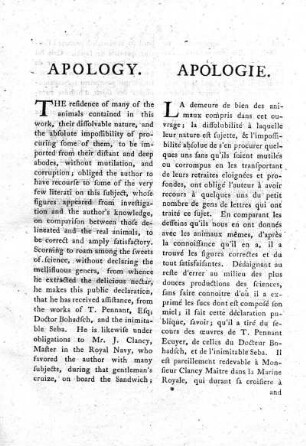
APOLOGY. APOLOGIE.
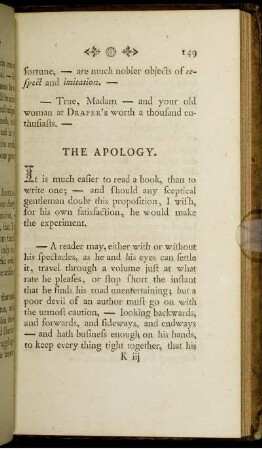
The Apology.
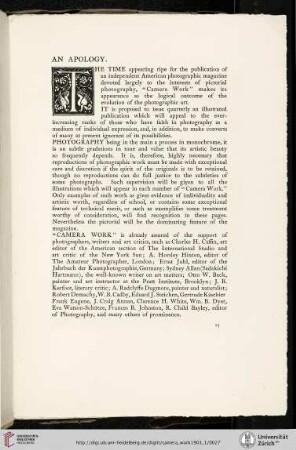
An Apology
Imagining Intergroup Contact Can Improve Intergroup Attitudes
Imagining Intergroup Contact Can Improve Intergroup Attitudes

An apology for Christianity
Partial Adjustment Without Apology
The power of apology
Risk, Calamity and Apology
Writing Lourdes. Faith, Miracles, and the Elaboration of an Official Story
Apology.
An Apology ...
APOLOGY. APOLOGIE.
The Apology.
An Apology
Imagining Intergroup Contact Can Improve Intergroup Attitudes
Imagining Intergroup Contact Can Improve Intergroup Attitudes
An apology for Christianity
Partial Adjustment Without Apology
The power of apology
Risk, Calamity and Apology
Writing Lourdes. Faith, Miracles, and the Elaboration of an Official Story
Apology.
An Apology ...
APOLOGY. APOLOGIE.
The Apology.
An Apology
Imagining Intergroup Contact Can Improve Intergroup Attitudes
Imagining Intergroup Contact Can Improve Intergroup Attitudes
An apology for Christianity
Partial Adjustment Without Apology
The power of apology