
Language change and the actuation problem: grammaticalization in Vedic Sanskrit
Abstract: One of the structures denoting the future in Sanskrit is the so-called -tā́-future, based on an agent noun and a present tense copula. Typologically, this grammaticalization path is unique. In this paper, this astonishing fact is tied to another unique feature of hysterotone -tŕ̥-nouns, their situative semantics, which forces a presupposition relating the event depicted by the noun to another event taken from the context. In ambiguous contexts, this relation could be (re-) interpreted by hearers as one between the event and the speech act itself. The grammaticalization, then, is hearer-based and triggered by semantic reanalysis. The process is essentially identical to phonemicization. The scenario developed in this paper thus further strengthens the position that grammaticalization is ontologically not distinct from other types of language change based on speaker–hearer interaction.
- Location
-
Deutsche Nationalbibliothek Frankfurt am Main
- Extent
-
Online-Ressource
- Language
-
Englisch
- Bibliographic citation
-
Language change and the actuation problem: grammaticalization in Vedic Sanskrit ; volume:10 ; number:1 ; year:2023 ; pages:1-17 ; extent:17
Journal of South Asian languages and linguistics ; 10, Heft 1 (2023), 1-17 (gesamt 17)
- Creator
-
Keydana, Götz
- DOI
-
10.1515/jsall-2023-1007
- URN
-
urn:nbn:de:101:1-2023110713042549046743
- Rights
-
Open Access; Der Zugriff auf das Objekt ist unbeschränkt möglich.
- Last update
-
14.08.2025, 10:58 AM CEST
Data provider
Deutsche Nationalbibliothek. If you have any questions about the object, please contact the data provider.
Associated
- Keydana, Götz
Other Objects (12)

Rezension
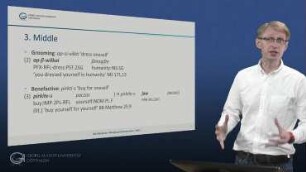
Old Lithuanian – Morphosyntactic Structures, Part 3: Voice and Valency Change

Early Latin – Introduction, Part 1: Language and Speakers
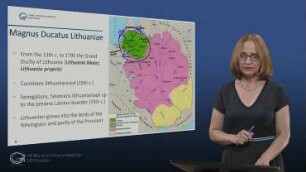
Old Lithuanian – Introduction, Part 1: Language and Speakers
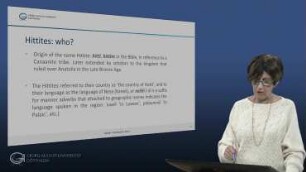
Hittite – Introduction, Part 1: Language, speakers and sources
Old Church Slavonic – Introduction, Part 1: Language and Speakers

Old Irish – Introduction, Part 1: History of the Irish Language
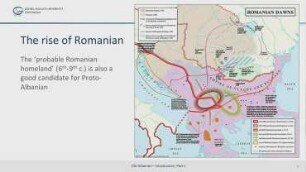
Old Albanian – Introduction, Part 1: Language and Speakers
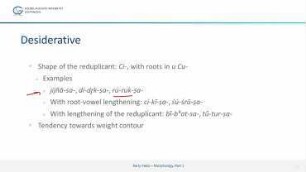
Early Vedic – Morphology, Part 1: General Remarks, Word Formation, Compounds

Tocharian – Introduction, Part 2

Tocharian – Introduction, Part 3
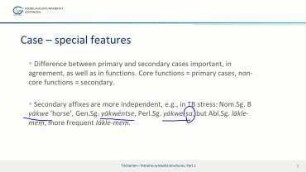
Tocharian – Morphosyntactic Structures, Part 1
Rezension
Old Lithuanian – Morphosyntactic Structures, Part 3: Voice and Valency Change
Early Latin – Introduction, Part 1: Language and Speakers
Old Lithuanian – Introduction, Part 1: Language and Speakers
Hittite – Introduction, Part 1: Language, speakers and sources
Old Church Slavonic – Introduction, Part 1: Language and Speakers
Old Irish – Introduction, Part 1: History of the Irish Language
Old Albanian – Introduction, Part 1: Language and Speakers
Early Vedic – Morphology, Part 1: General Remarks, Word Formation, Compounds
Tocharian – Introduction, Part 2
Tocharian – Introduction, Part 3
Tocharian – Morphosyntactic Structures, Part 1
Rezension
Old Lithuanian – Morphosyntactic Structures, Part 3: Voice and Valency Change
Early Latin – Introduction, Part 1: Language and Speakers
Old Lithuanian – Introduction, Part 1: Language and Speakers
Hittite – Introduction, Part 1: Language, speakers and sources
Old Church Slavonic – Introduction, Part 1: Language and Speakers
Old Irish – Introduction, Part 1: History of the Irish Language
Old Albanian – Introduction, Part 1: Language and Speakers
Early Vedic – Morphology, Part 1: General Remarks, Word Formation, Compounds
Tocharian – Introduction, Part 2
Tocharian – Introduction, Part 3