
Variation in millipede (Diplopoda) assemblages in oak woodlands of the Eastern European Plain
Abstract: Variation in millipede (Diplopoda) assemblages in oak woodlands of the Eastern European Plain was studied based on 46 soil samples collected from the vast territory: from west (Moldova and the extra-Carpathian part of western Ukraine) to east (Ural Mountains), and from south (central Ukraine and Russia) to north (subtaiga region) covering 4 vegetation belts: steppe, forest-steppe, deciduous forests and mixed forests. Altogether, 30 species were found in the samples. The millipede assemblages from the forest-steppe belt appear to be particularly rich in species and the most diversified. The species turnover estimated using ordination techniques (DCA) was very high. Among 21 factors considered in CCA to explain variation in the species data set, 12 showed to be significant, 2 of them: humus depth and mean annual deficit of humidity were the most important. Nevertheless, the climatic-geographical variables also cause at least as much variability of millipede assemblages of the Eastern.... https://www.soil-organisms.org/index.php/SO/article/view/222
- Location
-
Deutsche Nationalbibliothek Frankfurt am Main
- Extent
-
Online-Ressource
- Language
-
Englisch
- Bibliographic citation
-
Variation in millipede (Diplopoda) assemblages in oak woodlands of the Eastern European Plain ; volume:81 ; number:3 ; year:2009
Soil organisms ; 81, Heft 3 (2009)
- Creator
-
Wytwer, Jolanta
Golovatch, S. I.
Penev, L.
- URN
-
urn:nbn:de:101:1-2023080204301850550117
- Rights
-
Open Access; Der Zugriff auf das Objekt ist unbeschränkt möglich.
- Last update
-
14.08.2025, 10:48 AM CEST
Data provider
Deutsche Nationalbibliothek. If you have any questions about the object, please contact the data provider.
Associated
- Wytwer, Jolanta
- Golovatch, S. I.
- Penev, L.
Other Objects (12)

Grasslands of cleared woodlands have lower invertebrate diversity and different assemblages to remnant woodlands in grazed landscapes of eastern Australia
Land-use legacies in the forest structure of silvopastoral oak woodlands in the Eastern Mediterranean
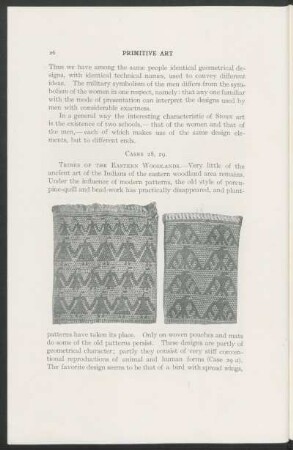
Tribes of the Eastern Woodlands.
Effects of management thinning on CO 2 exchange by a plantation oak woodland in south-eastern England
Role of the Mediterranean Sea in differentiating European and North African woodland bird assemblages
Cork oak woodlands and decline: a social-ecological review and future transdisciplinary approaches
Woodlands
Impact of protected areas and land use on regeneration of Acacia woodland’s in Eastern Burkina Faso
Tournaisian miospore assemblages from Maesbury in the eastern Mendips, England
The pre-colonial distribution of grasslands, woodlands and forests on the Werribee plains, Victoria

Die Waldrodung in der Osteuropäischen Tiefebene : = The clearing of woodland in the East European plain
Hoverfly diversity (Diptera: Syrphidae) of Pyrenean oak woodlands in Central-Western Spain: a preliminary study with conservation outcomes
Grasslands of cleared woodlands have lower invertebrate diversity and different assemblages to remnant woodlands in grazed landscapes of eastern Australia
Land-use legacies in the forest structure of silvopastoral oak woodlands in the Eastern Mediterranean
Tribes of the Eastern Woodlands.
Effects of management thinning on CO 2 exchange by a plantation oak woodland in south-eastern England
Role of the Mediterranean Sea in differentiating European and North African woodland bird assemblages
Cork oak woodlands and decline: a social-ecological review and future transdisciplinary approaches
Woodlands
Impact of protected areas and land use on regeneration of Acacia woodland’s in Eastern Burkina Faso
Tournaisian miospore assemblages from Maesbury in the eastern Mendips, England
The pre-colonial distribution of grasslands, woodlands and forests on the Werribee plains, Victoria
Die Waldrodung in der Osteuropäischen Tiefebene : = The clearing of woodland in the East European plain
Hoverfly diversity (Diptera: Syrphidae) of Pyrenean oak woodlands in Central-Western Spain: a preliminary study with conservation outcomes
Grasslands of cleared woodlands have lower invertebrate diversity and different assemblages to remnant woodlands in grazed landscapes of eastern Australia
Land-use legacies in the forest structure of silvopastoral oak woodlands in the Eastern Mediterranean
Tribes of the Eastern Woodlands.
Effects of management thinning on CO 2 exchange by a plantation oak woodland in south-eastern England
Role of the Mediterranean Sea in differentiating European and North African woodland bird assemblages
Cork oak woodlands and decline: a social-ecological review and future transdisciplinary approaches
Woodlands
Impact of protected areas and land use on regeneration of Acacia woodland’s in Eastern Burkina Faso
Tournaisian miospore assemblages from Maesbury in the eastern Mendips, England
The pre-colonial distribution of grasslands, woodlands and forests on the Werribee plains, Victoria
Die Waldrodung in der Osteuropäischen Tiefebene : = The clearing of woodland in the East European plain