
Canticum canticorum
Das "Canticum canticorum" ist ein Buch des Alten Testaments, das König Salomon zugeschrieben wird. Das "Lied der Lieder" enthält zärtliche Liebesgedichte beziehungsweise -lieder, bei denen es um das Sehnen, Suchen, Finden, Verlieren und Wiederfinden zweier Liebender geht. In der Zeit Gutenbergs erschien das "Canticum canticorum" in zwei verschiedenen Blockbuchausgaben, von denen heute insgesamt 29 Exemplare bekannt sind. Blockbücher sind Druckwerke des 15. Jahrhunderts, die mittels Holztafeldruck oder Reiberdruck hergestellt wurden und hauptsächlich aus Abbildungen mit relativ wenig Text bestehen. Sie enthalten zumeist Werke, die der Erbauung oder Belehrung dienten. Bei den typischen (xylographischen) Blockbüchern wurde die Druckform jeweils für eine ganze Seite (Bilder und Text gemeinsam) in eine Holztafel geschnitten, das Holz eingefärbt und das darauf gelegte Papier "abgerieben". Die einseitig bedruckten Blätter wurden dann zusammengeklebt. Da sich die Blockbücher schwer datieren lassen, galten sie lange als eine Übergangsform zwischen Handschrift und gedrucktem Buch. Sie entstanden jedoch auch noch nach der Erfindung des Buchdrucks mit beweglichen Lettern bis etwa 1530. Die fast nur aus Deutschland den Niederlanden stammenden Blockbücher sind sehr selten und zählen zu den bibliophilen Kostbarkeiten. // Autor: Karin L. Kuhn // Datum: 2018
Englische Version: The "Canticum canticorum" is a book of the Old Testament attributed to King Solomon. The "Song of Songs" contains tender love poems or songs about the longing, searching, finding, losing and rediscovering of two lovers. In Gutenberg's time, the "Canticum canticorum" appeared in two different block book editions, of which a total of 29 copies are known today. Block books are printed works from the 15th century which were produced by means of wood plate printing or friction printing and mainly consist of illustrations with relatively little text. They mostly contain works that served the purpose of edification or instruction. In the typical (xylographic) block books, the printing plate was cut into a wooden board for an entire page (pictures and text together), the wood was dyed and the paper placed on it was "rubbed". The pages printed on one side were then glued together. Since block books are difficult to date, they were long regarded as a transitional form between the manuscript and printed book. However, they were still produced after the invention of letterpress printing with movable type until about 1530. The block books, which come almost exclusively from Germany and the Netherlands, are very rare and are rated among the bibliophile treasures. // Autor: Karin L. Kuhn // Datum: 2018
- Alternative title
-
Bibel
Hohelied
Hohes Lied
- Location
-
München, Bayerische Staatsbibliothek -- Xylogr. 33
- Dimensions
-
2°
- Extent
-
[16] Blätter
- Edition
-
[Ausgabe I]
- Language
-
Latein
- Notes
-
Illustrationen
Blockbuch aus 16 Tafeln (gedruckt von 8 Holzstöcken)
Lagen: [1-8²]
Maße des Druckbereichs: 25,8 x 18,3 cm
Signaturen: keine
- Event
-
Veröffentlichung
- (where)
-
[Niederlande]
- (when)
-
[circa 1465]
- URN
-
urn:nbn:de:bvb:12-bsb00037309-3
- Last update
-
27.11.2025, 8:29 AM CET
Data provider
Bayerische Staatsbibliothek. If you have any questions about the object, please contact the data provider.
Object type
- Blockbuch
Time of origin
- [circa 1465]
Other Objects (12)
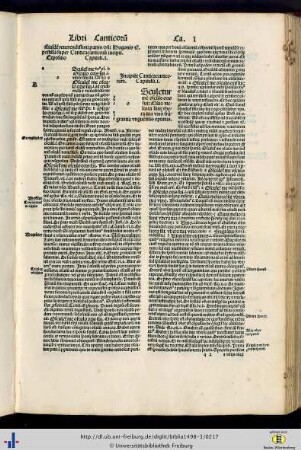
Canticum Canticorum.
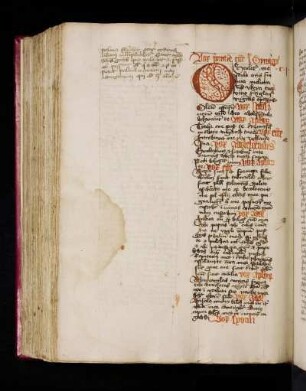
Canticum canticorum

Canticum Canticorum

Canticum Canticorum
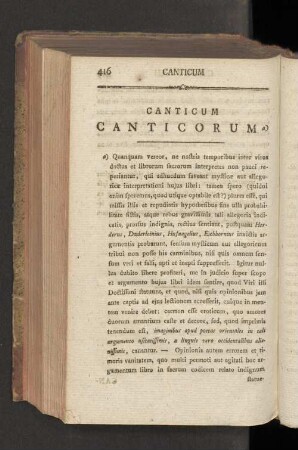
Canticum Canticorum
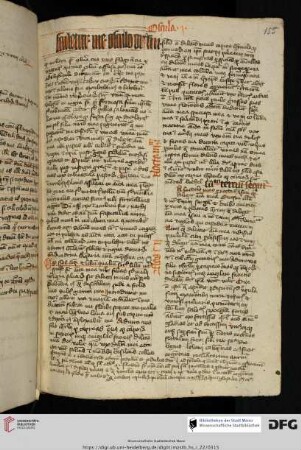
Canticum canticorum
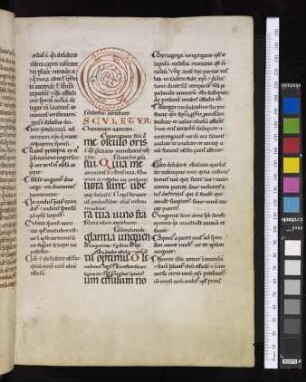
Canticum Canticorum

Canticum Canticorum
![[Canticum Canticorum]](https://iiif.deutsche-digitale-bibliothek.de/image/2/5f5a18b0-7fe6-4c73-8fd8-d8333f8cb067/full/!306,450/0/default.jpg)
[Canticum Canticorum]
![[Canticum Canticorum]](https://iiif.deutsche-digitale-bibliothek.de/image/2/bb27000e-95de-434f-a4c8-7660f7a65676/full/!306,450/0/default.jpg)
[Canticum Canticorum]

Canticum Canticorum

Canticum Canticorum
Canticum Canticorum.
Canticum canticorum
Canticum Canticorum
Canticum Canticorum
Canticum Canticorum
Canticum canticorum
Canticum Canticorum
Canticum Canticorum
[Canticum Canticorum]
[Canticum Canticorum]
Canticum Canticorum
Canticum Canticorum
Canticum Canticorum.
Canticum canticorum
Canticum Canticorum
Canticum Canticorum
Canticum Canticorum
Canticum canticorum
Canticum Canticorum
Canticum Canticorum
[Canticum Canticorum]
[Canticum Canticorum]
Canticum Canticorum