
The Fall of Two Cities: Troy and Gondolin
Abstract: Vergil was a fundamental source of inspiration for Tolkien, not only when writing the Lord of the Rings, but also at the beginning of his “world-building”. The Fall of Gondolin, written in 1916, was modeled upon the Aeneid, whose second book shares many similarities with the description of Gondolin’s last day. For instance, the attack that seals the fate of the city takes place during a feast in both works, whereas both protagonists (Aeneas and Tuor) leave wives and sons to fight the enemy and witness deaths of their kings (Priam/Turgon). Other analogies include the topos of the fall of the tallest tower of the city as well as the scenes of Creusa/Idril clasping the knees of her husband and begging him not to go back to the battle. Tolkien chose the Aeneid as his main model because, in his opinion, the Aeneid and The Fall of Gondolin evoked the air of antiquity and melancholy. Vergil’s nostalgia for a “lost world” conveyed in the Aeneid greatly resembles the nostalgia pervading bot.... https://thersites-journal.de/index.php/thr/article/view/200
- Location
-
Deutsche Nationalbibliothek Frankfurt am Main
- Extent
-
Online-Ressource
- Language
-
Englisch
- Bibliographic citation
-
The Fall of Two Cities: Troy and Gondolin ; volume:15 ; year:2022
Thersites ; 15 (2022)
- Creator
-
Cristini, Marco
- DOI
-
10.34679/thersites.vol15.200
- URN
-
urn:nbn:de:101:1-2023071214440149719202
- Rights
-
Open Access; Der Zugriff auf das Objekt ist unbeschränkt möglich.
- Last update
- 14.08.2025, 11:01 AM CEST
Data provider
Deutsche Nationalbibliothek. If you have any questions about the object, please contact the data provider.
Associated
- Cristini, Marco
Other Objects (12)
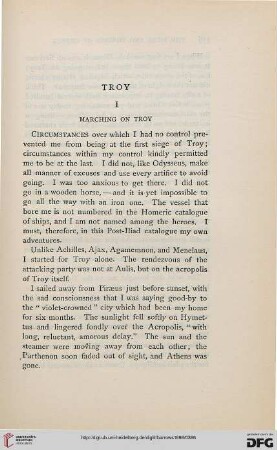
Troy

The two superposed cities.

The Mayor of Troy

TROY REPRESENT...
Troy, Alois

VIII: Troy

Troy, Roman
Troy, Alois
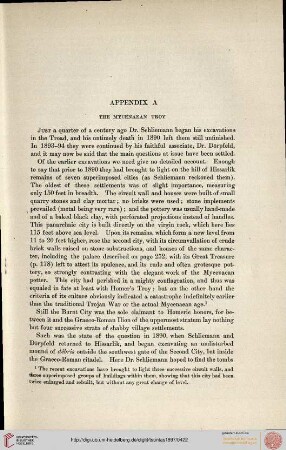
Appendix A: The Mycenaean Troy
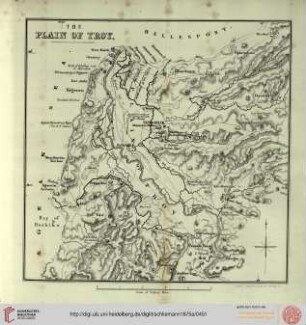
Karte: The Plain of Troy
![FRANÇOIS DE TROY [Selbstbildnis des Malers Fr. de Troy]](https://iiif.deutsche-digitale-bibliothek.de/image/2/eb163867-39d8-4fca-a5f7-b2034553fd83/full/!306,450/0/default.jpg)
FRANÇOIS DE TROY [Selbstbildnis des Malers Fr. de Troy]
Troys, Bernhard Heinrich
Troy
The two superposed cities.
The Mayor of Troy
TROY REPRESENT...
Troy, Alois
VIII: Troy
Troy, Roman
Troy, Alois
Appendix A: The Mycenaean Troy
Karte: The Plain of Troy
FRANÇOIS DE TROY [Selbstbildnis des Malers Fr. de Troy]
Troys, Bernhard Heinrich
Troy
The two superposed cities.
The Mayor of Troy
TROY REPRESENT...
Troy, Alois
VIII: Troy
Troy, Roman
Troy, Alois
Appendix A: The Mycenaean Troy
Karte: The Plain of Troy
FRANÇOIS DE TROY [Selbstbildnis des Malers Fr. de Troy]