
Arbeitspapier
Do Markets Favor Women?s Human Capital More than Planners?
Using micro data on women in the Czech Republic, we compare returns to various measures of human capital at the end of communism (1989), in mid-transition (1996) and in late/posttransition (2002). We show: dramatic increases in returns to education from 1989 to 1996 but no change from 1996 to 2002; no differences in returns to education by state vs. privatelyowned firms; ?sheepskin? effects in both regimes, which rise over time and are similar across firm ownership; no difference in returns to education obtained during communism vs. transition; no change in wage-experience profiles over time; and similar increases in returns to education for women and men. In sum, markets pay women and men equally more for their human capital than the planners did; all the adjustment occurred in early transition and was driven by market forces rather than private ownership.
- Language
-
Englisch
- Bibliographic citation
-
Series: IZA Discussion Papers ; No. 1393
- Classification
-
Wirtschaft
Socialist Enterprises and Their Transitions
Socialist Systems and Transitional Economies: General
Wage Level and Structure; Wage Differentials
Human Capital; Skills; Occupational Choice; Labor Productivity
- Subject
-
human capital
wages
transition
sheepskin effects
Czech Republic
Humankapital
Bildungsertrag
Geschlecht
Lohnniveau
Tschechische Republik
- Event
-
Geistige Schöpfung
- (who)
-
Münich, Daniel
Svejnar, Jan
Terrell, Katherine
- Event
-
Veröffentlichung
- (who)
-
Institute for the Study of Labor (IZA)
- (where)
-
Bonn
- (when)
-
2004
- Handle
- Last update
-
10.03.2025, 11:43 AM CET
Data provider
ZBW - Deutsche Zentralbibliothek für Wirtschaftswissenschaften - Leibniz-Informationszentrum Wirtschaft. If you have any questions about the object, please contact the data provider.
Object type
- Arbeitspapier
Associated
- Münich, Daniel
- Svejnar, Jan
- Terrell, Katherine
- Institute for the Study of Labor (IZA)
Time of origin
- 2004
Other Objects (12)

FAVOR

Europe Needs More than a Capital Markets Union: Focus on the Integration of Euro Area Sovereign Debt Markets
Europe Needs More than a Capital Markets Union : Focus on the Integration of Euro Area Sovereign Debt Markets

Markets for natural capital : status quo and prospects : natural capital markets
EMU and capital markets

!Por favor!
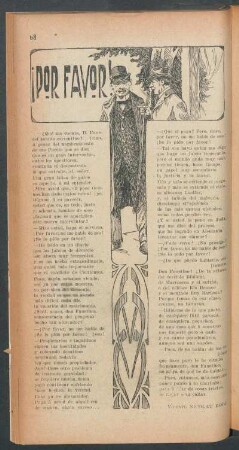
¡Por favor!
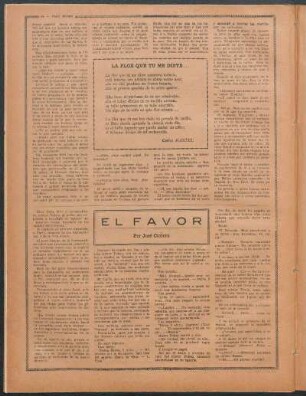
El favor
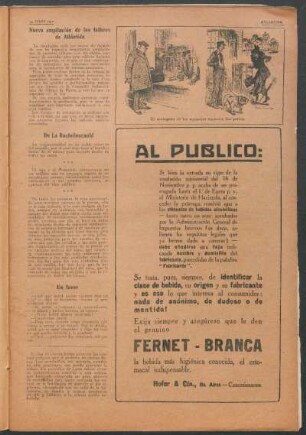
Un favor

108. Favor.

Favor, Odium.
Analyst reports and capital markets
FAVOR
Europe Needs More than a Capital Markets Union: Focus on the Integration of Euro Area Sovereign Debt Markets
Europe Needs More than a Capital Markets Union : Focus on the Integration of Euro Area Sovereign Debt Markets
Markets for natural capital : status quo and prospects : natural capital markets
EMU and capital markets
!Por favor!
¡Por favor!
El favor
Un favor
108. Favor.
Favor, Odium.
Analyst reports and capital markets
FAVOR
Europe Needs More than a Capital Markets Union: Focus on the Integration of Euro Area Sovereign Debt Markets
Europe Needs More than a Capital Markets Union : Focus on the Integration of Euro Area Sovereign Debt Markets
Markets for natural capital : status quo and prospects : natural capital markets
EMU and capital markets
!Por favor!
¡Por favor!
El favor
Un favor
108. Favor.
Favor, Odium.