
Deutung von Orts- und Flurnetzen im Hochland von Mexiko als kultreligiöse Reliktformen altindianischer Besiedlung
Abstract: Through the analysis of field and village plans, in con junction with the measurement of the orientation of ruins and churches of the colonial period, three differently arranged rectangular systems were recognised and delimited in the historically settled basin area of the south east Mexican Highlands. Because of preclassical ruins arranged in the same way, at least two of the three systems can be dated around the time of the birth of Christ. The orientation 17° and 26-28° are solar oriented from an hypothetical observatory mountain. The 17° system is connected with the time of maize sowing in the dry field system. The three systems are thought to be relict forms of a religious cult, and have survived from the time of the early Indian settlement by a people of the Mesoamerican High Culture, because they provided a basis for church building and urban foundation in the early colonial period. A fourth rectangular system exists in the chess-board ground plans of a number of villages wh.... https://www.erdkunde.uni-bonn.de/article/view/1724
- Location
-
Deutsche Nationalbibliothek Frankfurt am Main
- Extent
-
Online-Ressource
- Language
-
Englisch
- Bibliographic citation
-
Deutung von Orts- und Flurnetzen im Hochland von Mexiko als kultreligiöse Reliktformen altindianischer Besiedlung ; volume:28 ; number:3 ; year:1974
Erdkunde ; 28, Heft 3 (1974)
- Creator
-
Tichy, Franz
- DOI
-
10.3112/erdkunde.1974.03.04
- URN
-
urn:nbn:de:101:1-2410291119227.244036490468
- Rights
-
Open Access; Der Zugriff auf das Objekt ist unbeschränkt möglich.
- Last update
- 15.08.2025, 7:29 AM CEST
Data provider
Deutsche Nationalbibliothek. If you have any questions about the object, please contact the data provider.
Associated
- Tichy, Franz
Other Objects (12)
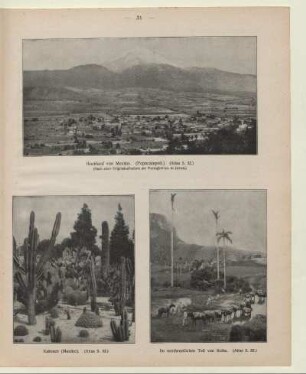
Hochland von Mexiko (Popocatepetl.)
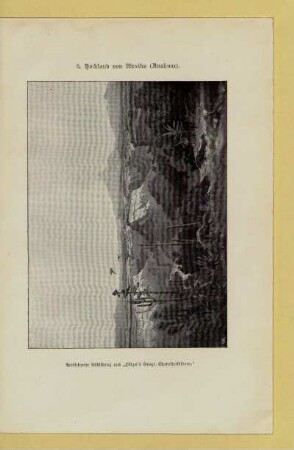
5. Hochland von Mexiko (Anahuac)

Späte Besiedlung in Xkipché, Yucatán, Mexiko
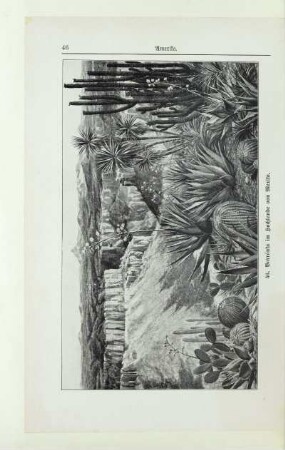
46. Barránka im Hochlande von Mexiko
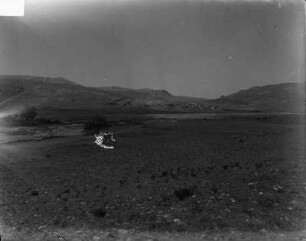
Hochland : Blick über eine Hocheben. Im Hintergrund Berge mit einer Besiedlung
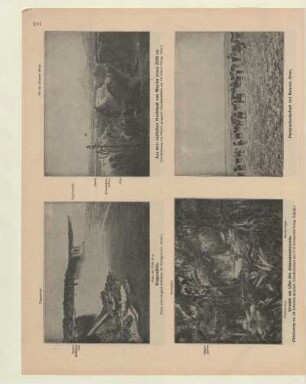
Aus dem südlichen Hochland von Mexiko (etwa 2500 m)
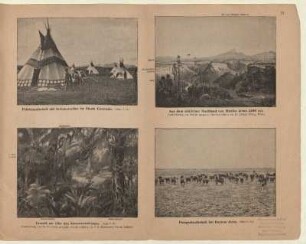
Aus dem südlichen Hochland von Mexiko (etwa 2500 m)

Besiedlung
Besiedlung
Besiedlung
Besiedlung
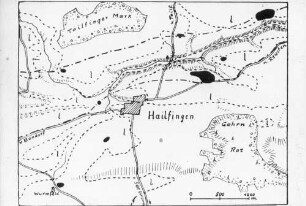
Besiedlung
Hochland von Mexiko (Popocatepetl.)
5. Hochland von Mexiko (Anahuac)
Späte Besiedlung in Xkipché, Yucatán, Mexiko
46. Barránka im Hochlande von Mexiko
Hochland : Blick über eine Hocheben. Im Hintergrund Berge mit einer Besiedlung
Aus dem südlichen Hochland von Mexiko (etwa 2500 m)
Aus dem südlichen Hochland von Mexiko (etwa 2500 m)
Besiedlung
Besiedlung
Besiedlung
Besiedlung
Besiedlung
Hochland von Mexiko (Popocatepetl.)
5. Hochland von Mexiko (Anahuac)
Späte Besiedlung in Xkipché, Yucatán, Mexiko
46. Barránka im Hochlande von Mexiko
Hochland : Blick über eine Hocheben. Im Hintergrund Berge mit einer Besiedlung
Aus dem südlichen Hochland von Mexiko (etwa 2500 m)
Aus dem südlichen Hochland von Mexiko (etwa 2500 m)
Besiedlung
Besiedlung
Besiedlung
Besiedlung