
Arbeitspapier
Handling excess zeros in count models for recreation demand analysis without apology
Hurdle and zero-in ated models are the two foremost methods used to deal with excess zeros. However, their reliance on the nonparticipation assumption is a drawback when applied to recreation demand analysis because there is not a theoretical framework convincingly explaining presence of non-participants. This paper dis- cusses how latent class count models represent a theoretically consistent alternative to handle excess zeros. The theoretical model behind a latent class model does not require the non-participation assumption. Instead, excess zeros is explained as the accumulation of corner solutions from individuals belonging to different classes.
- Language
-
Englisch
- Bibliographic citation
-
Series: Economics Working Paper Series ; No. 16/253
- Classification
-
Wirtschaft
Single Equation Models; Single Variables: Other
Recreational Aspects of Natural Resources
Valuation of Environmental Effects
- Subject
-
Excess zeros
Latent class count models
Travel Cost Method
Nachfrage
Messung
Item-Response-Theorie
Generalisiertes lineares Modell
Theorie
- Event
-
Geistige Schöpfung
- (who)
-
Martinez-Cruz, Adan
- Event
-
Veröffentlichung
- (who)
-
ETH Zurich, CER-ETH - Center of Economic Research
- (where)
-
Zurich
- (when)
-
2016
- DOI
-
doi:10.3929/ethz-a-010687970
- Handle
- Last update
-
10.03.2025, 11:43 AM CET
Data provider
This object is provided by:
ZBW - Deutsche Zentralbibliothek für Wirtschaftswissenschaften - Leibniz-Informationszentrum Wirtschaft. If you have any questions about the object, please contact the data provider.
ZBW - Deutsche Zentralbibliothek für Wirtschaftswissenschaften - Leibniz-Informationszentrum Wirtschaft. If you have any questions about the object, please contact the data provider.
Object type
- Arbeitspapier
Associated
- Martinez-Cruz, Adan
- ETH Zurich, CER-ETH - Center of Economic Research
Time of origin
- 2016
Other Objects (12)

Apology.

Network analysis for count data with excess zeros
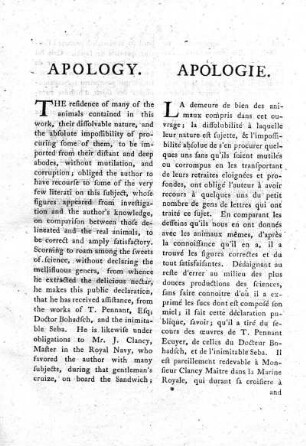
APOLOGY. APOLOGIE.
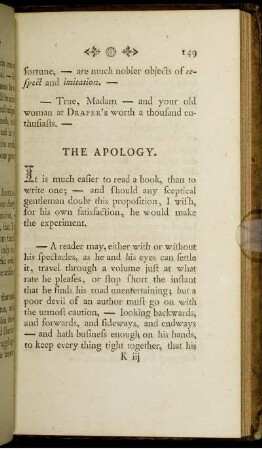
The Apology.

An Apology ...
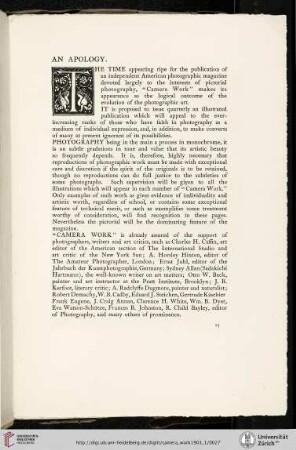
An Apology
Statistical modeling of COVID-19 deaths with excess zero counts
mefa: an R package for handling and reporting count data
Partial Adjustment Without Apology
The power of apology

An apology for Christianity
Risk, Calamity and Apology
Apology.
Network analysis for count data with excess zeros
APOLOGY. APOLOGIE.
The Apology.
An Apology ...
An Apology
Statistical modeling of COVID-19 deaths with excess zero counts
mefa: an R package for handling and reporting count data
Partial Adjustment Without Apology
The power of apology
An apology for Christianity
Risk, Calamity and Apology
Apology.
Network analysis for count data with excess zeros
APOLOGY. APOLOGIE.
The Apology.
An Apology ...
An Apology
Statistical modeling of COVID-19 deaths with excess zero counts
mefa: an R package for handling and reporting count data
Partial Adjustment Without Apology
The power of apology
An apology for Christianity