
Arbeitspapier
Enforce tax compliance, but cautiously: The role of trust in authorities and power of authorities
The "Slippery Slope Framework" hypothesizes that (an individual's) tax compliance is determined by both the tax authority's powerfulness and its trustworthiness, and that the two dimensions moderate each other. By employing a within-country fixed effects analysis for 25 European countries, this paper tests the conjecture that a slippery slope exists also on the aggregate level. Results show that both trust and power are positively correlated with higher tax compliance. Trust and power also moderate each other: the lower trust, the greater the compliance-increasing impact of power. However, the positive effect decreases with increasing coercion. Strong deterrence policies may eventually damage tax compliance.
- Language
-
Englisch
- Bibliographic citation
-
Series: Hannover Economic Papers (HEP) ; No. 589
- Classification
-
Wirtschaft
Fiscal Policy
Tax Evasion and Avoidance
Fiscal Policies and Behavior of Economic Agents: General
- Subject
-
Tax compliance
Slippery Slope Framework
trust
power
institutions
- Event
-
Geistige Schöpfung
- (who)
-
Tsikas, Stefanos A.
- Event
-
Veröffentlichung
- (who)
-
Leibniz Universität Hannover, Wirtschaftswissenschaftliche Fakultät
- (where)
-
Hannover
- (when)
-
2017
- Handle
- Last update
- 10.03.2025, 11:43 AM CET
Data provider
ZBW - Deutsche Zentralbibliothek für Wirtschaftswissenschaften - Leibniz-Informationszentrum Wirtschaft. If you have any questions about the object, please contact the data provider.
Object type
- Arbeitspapier
Associated
- Tsikas, Stefanos A.
- Leibniz Universität Hannover, Wirtschaftswissenschaftliche Fakultät
Time of origin
- 2017
Other Objects (12)
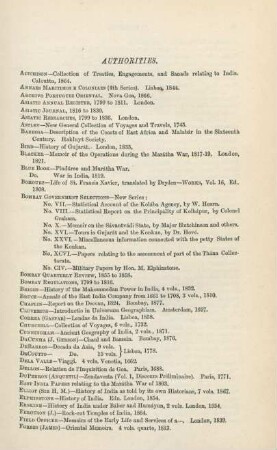
Authorities

UNIMARC, authorities : Universal format for authorities
Kreis Authorities
Authorities Consulted.

Authorities consulted

C: Authorities

I: Authorities
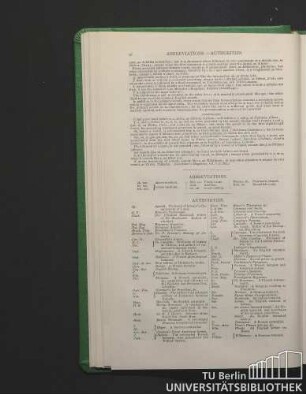
Abbreviations. - Authorities.

Authorities Consulted
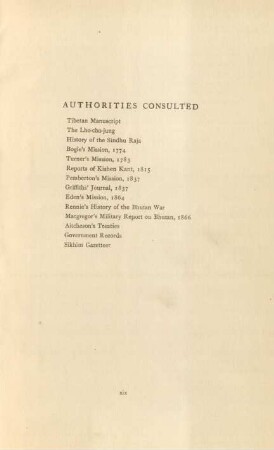
Authorities consulted

False Authorities

List of Authorities
Authorities
UNIMARC, authorities : Universal format for authorities
Kreis Authorities
Authorities Consulted.
Authorities consulted
C: Authorities
I: Authorities
Abbreviations. - Authorities.
Authorities Consulted
Authorities consulted
False Authorities
List of Authorities
Authorities
UNIMARC, authorities : Universal format for authorities
Kreis Authorities
Authorities Consulted.
Authorities consulted
C: Authorities
I: Authorities
Abbreviations. - Authorities.
Authorities Consulted
Authorities consulted
False Authorities