
Arbeitspapier
International human trafficking: Measuring clandestinity by the tructural equation approach
Worldwide human trafficking (HT) is the third most often registered international criminal activity, ranked only after drug and weapon trafficking. The aim of the paper is to measure the extent of HT inflows to destination countries. It proposes the application of the Multiple Indicators Multiple Causes (MIMIC) structural equation model in order to include potential causes and indicators in one model and generate an index of the intensity of HT in destination countries. Thus, we account for the unobservable nature of the crime as well as for visible aspects that both shape the extent of it. By including both dimensions of the trafficking process the model is applied over a period of ten years. The resulting measure orders 142 countries between 2000 and 2010 according to their potential of being a destination country based on characteristics of the trafficking process. The results are that OECD countries are the most likely destination countries while developing countries are less likely.
- Language
-
Englisch
- Bibliographic citation
-
Series: Working Paper ; No. 1325
- Classification
-
Wirtschaft
Multiple or Simultaneous Equation Models; Multiple Variables: Other
International Migration
Illegal Behavior and the Enforcement of Law
Legal Procedure, the Legal System, and Illegal Behavior: Other
- Subject
-
Human trafficking
MIMIC models
latent variable
structural equation models
- Event
-
Geistige Schöpfung
- (who)
-
Rudolph, Alexandra
Schneider, Friedrich
- Event
-
Veröffentlichung
- (who)
-
Johannes Kepler University of Linz, Department of Economics
- (where)
-
Linz
- (when)
-
2013
- Handle
- Last update
- 10.03.2025, 11:41 AM CET
Data provider
ZBW - Deutsche Zentralbibliothek für Wirtschaftswissenschaften - Leibniz-Informationszentrum Wirtschaft. If you have any questions about the object, please contact the data provider.
Object type
- Arbeitspapier
Associated
- Rudolph, Alexandra
- Schneider, Friedrich
- Johannes Kepler University of Linz, Department of Economics
Time of origin
- 2013
Other Objects (12)
International human trafficking: measuring clandestinity by the structural equation approach

International Human Trafficking: Measuring Clandestinity by the Structural Equation Approach

Schneider, Friedrich

Schneider, Friedrich

Auswanderungsgesuch - Schneider Friedrich, Berneck

Luftschiffhalle Friedrichshafen
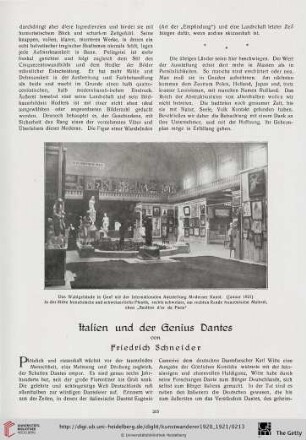
2: Italien und der Genius Dantes
Einstellung der Adaptivsteuerung von Prozessen mittels Digitalrechner
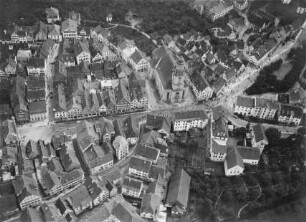
Frankfurt am Main

Frankfurt am Main

Frankfurt am Main
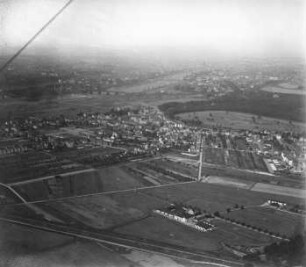
Frankfurt am Main
International human trafficking: measuring clandestinity by the structural equation approach
International Human Trafficking: Measuring Clandestinity by the Structural Equation Approach
Schneider, Friedrich
Schneider, Friedrich
Auswanderungsgesuch - Schneider Friedrich, Berneck
Luftschiffhalle Friedrichshafen
2: Italien und der Genius Dantes
Einstellung der Adaptivsteuerung von Prozessen mittels Digitalrechner
Frankfurt am Main
Frankfurt am Main
Frankfurt am Main
Frankfurt am Main
International human trafficking: measuring clandestinity by the structural equation approach
International Human Trafficking: Measuring Clandestinity by the Structural Equation Approach
Schneider, Friedrich
Schneider, Friedrich
Auswanderungsgesuch - Schneider Friedrich, Berneck
Luftschiffhalle Friedrichshafen
2: Italien und der Genius Dantes
Einstellung der Adaptivsteuerung von Prozessen mittels Digitalrechner
Frankfurt am Main
Frankfurt am Main
Frankfurt am Main